Beginner Sweet Sourdough
Highlighted under: Oven-Fresh Treats
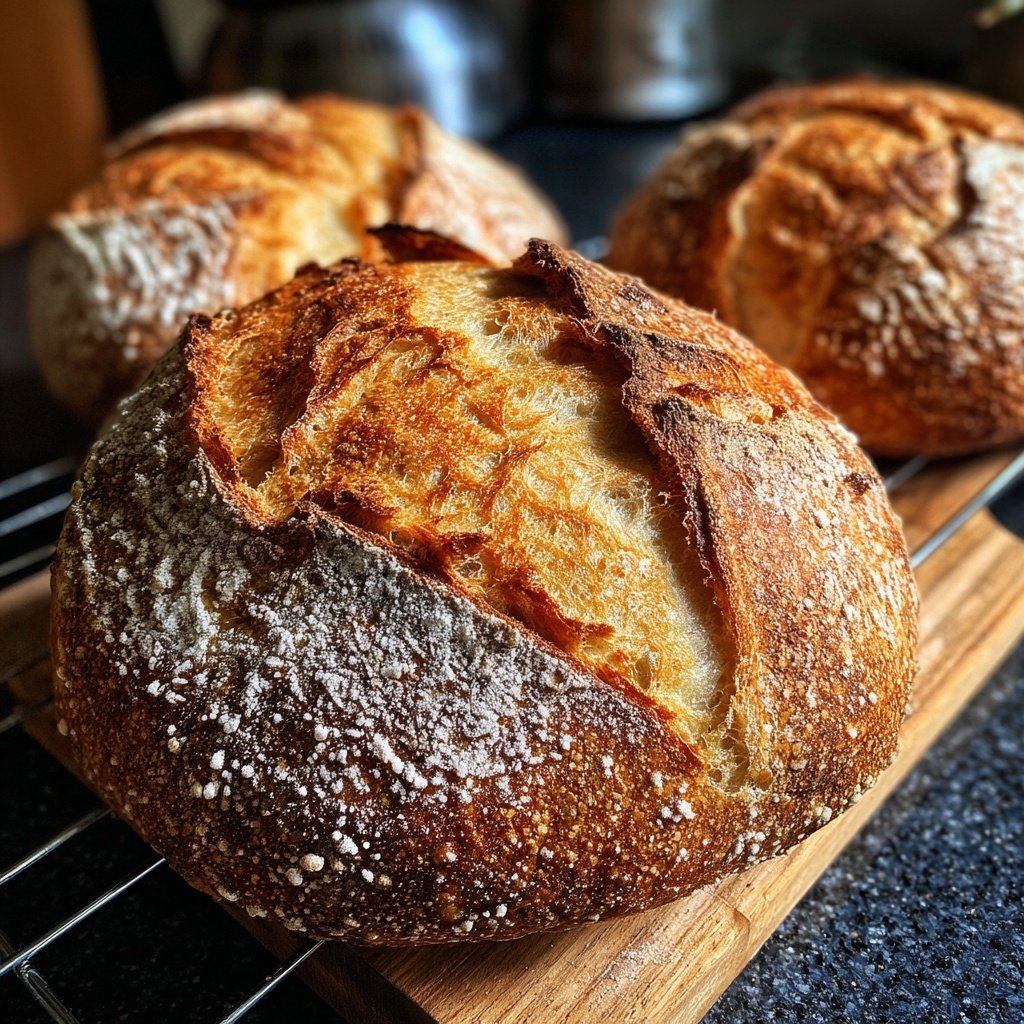
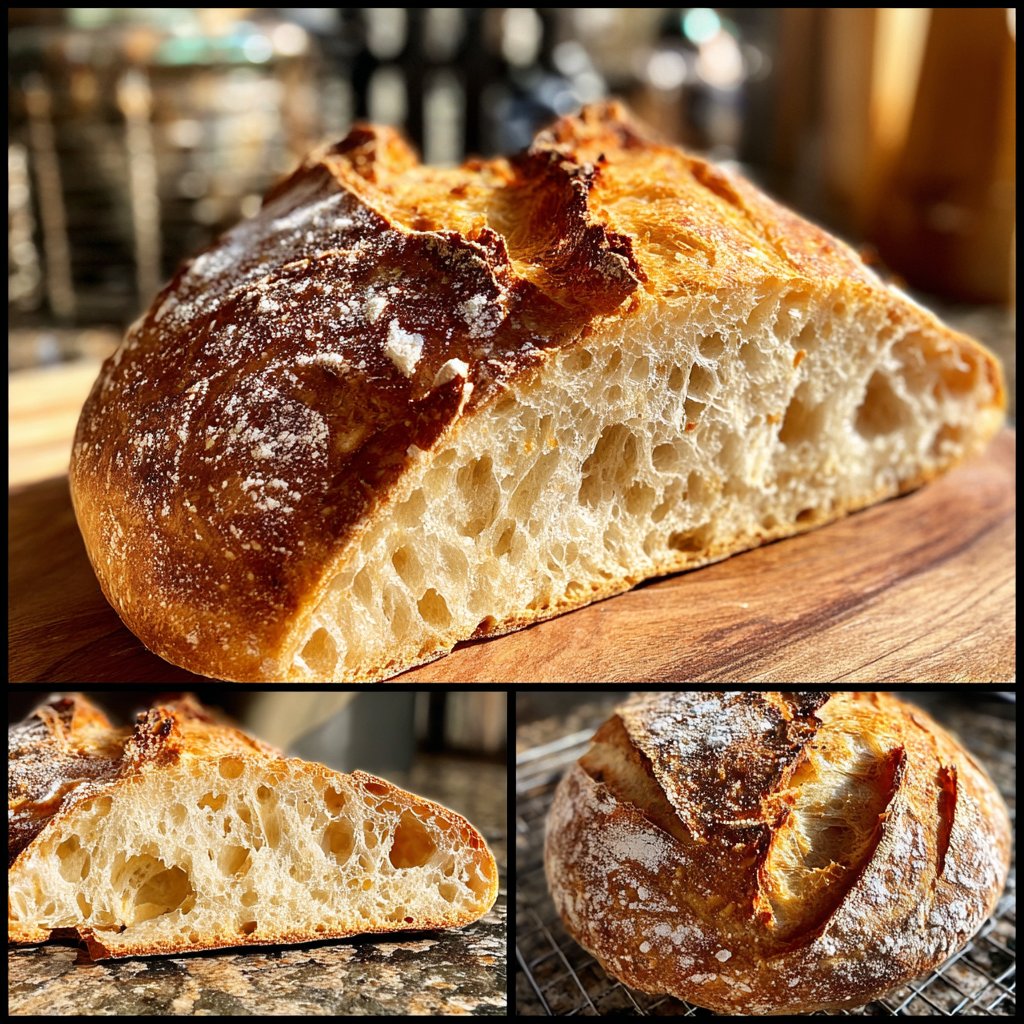
I love baking bread, and there's nothing quite like the satisfaction of pulling a fresh loaf of sweet sourdough from the oven. With its delightful balance of tangy and sweet flavors, this recipe is perfect for those just starting their baking journey. I swear the aroma wafting through my kitchen brings everyone to the table! By following this straightforward process, you'll create a beautifully risen loaf that’s deliciously crusty on the outside and tender on the inside. Trust me, once you experience the joy of making your own sourdough, you'll be hooked.
When I first tried my hand at making sourdough, I was a bit intimidated by the process. I decided to start with a sweet version, and it instantly became my favorite! The combination of sugar and the natural tanginess of sourdough creates a deliciously unique flavor that pairs perfectly with butter. I found that letting the dough rest for a long time helps develop deeper flavors, so patience is key.
One of my favorite tips is to use a kitchen scale for precise measurements, which helps achieve consistent results. I also love exploring different add-ins like nuts or dried fruits that can transform the base recipe into something truly special. Each loaf becomes a delightful surprise!
Why You Will Love This Recipe
- Sweet and tangy flavor balance that’s irresistible
- A soft, chewy texture perfect for toast or sandwiches
- Easily customizable with your favorite add-ins
Understanding Sourdough Starter
The success of your sourdough loaf hinges significantly on the health of your starter. It's essential to use an active and bubbly sourdough starter for the best fermentation results. Before starting this recipe, ensure you feed your starter about 4-6 hours in advance. A well-fed starter will have doubled in size and exhibit plenty of bubbles, indicating that it’s ready to impart its leavening power to your dough.
If your starter is on the thicker side, feel free to add a tablespoon of warm water to achieve a more liquid consistency. This adaptation can help your starter blend seamlessly into the dough mixture, promoting even fermentation. Remember, if your starter has been dormant for a while, a couple of feedings might be necessary to revive its potency.
Kneading Techniques
Kneading is a crucial step in developing gluten, which provides the bread's structure and chewy texture. When kneading, aim for a smooth and elastic dough that springs back when pressed. If your dough feels overly sticky, lightly dust your work surface with more flour while kneading. Be cautious, though, as adding too much flour can lead to a denser loaf.
To ensure you’re kneading effectively, try the 'windowpane test.' Stretch a small piece of dough between your fingers; if it forms a thin, translucent membrane without tearing, you’ve developed enough gluten. This technique helps confirm that the dough is ready for its first rise.
Tips for Perfecting Your Bake
The baking stage is where your dough truly transforms. Preheating your oven to the right temperature—220°C (425°F)—is essential for achieving a golden crust. To reinforce crust formation, consider placing a baking stone or a cast-iron pot inside the oven while preheating. The extra heat from these tools helps create steam around the loaf, enhancing the crust's texture.
After your loaf has baked for 30-40 minutes, check for doneness by tapping the bottom; it should sound hollow. Allowing your loaf to cool on a wire rack, rather than cutting it immediately, ensures that moisture redistributes. This waiting period can be challenging but is crucial for a well-textured crumb.
Ingredients
Gather all the necessary ingredients to ensure a smooth baking process:
Ingredients
- 500g bread flour
- 350ml warm water
- 100g sourdough starter (active and bubbly)
- 50g sugar
- 10g salt
Make sure all ingredients are at room temperature before you start for the best results.
Instructions
Follow these steps carefully to make your sourdough:
Mix the Ingredients
In a large mixing bowl, combine the bread flour, sugar, and salt. Add the warm water and active sourdough starter. Mix until a shaggy dough forms.
Knead the Dough
Transfer the dough to a floured surface and knead for about 10 minutes until smooth and elastic.
First Rise
Place the kneaded dough in a greased bowl, cover it with a damp cloth, and let it rise in a warm spot for about 2 hours, or until doubled in size.
Shape the Loaf
Once the dough has risen, gently deflate it and shape it into a round loaf. Place it in a floured proofing basket.
Second Rise
Cover the loaf and let it rise for another 60 minutes while you preheat your oven to 220°C (425°F).
Bake the Bread
Carefully transfer the loaf to the oven and bake for 30-40 minutes, or until golden brown and the bottom sounds hollow when tapped.
Cool and Enjoy
Let the loaf cool on a wire rack for at least 30 minutes before slicing. Enjoy your homemade sweet sourdough!
Patience and practice will improve your baking skills with each loaf.
Pro Tips
- For extra flavor, consider adding spices like cinnamon or nutmeg to the dough, or mix in chocolate chips for a sweet treat.
Customizing Your Sweet Sourdough
One of the joys of baking sourdough is its versatility. You can enhance this sweet sourdough loaf by incorporating add-ins such as dried fruit, nuts, or seeds during the mixing step. For added flavor, consider folding in cinnamon or citrus zest. These ingredients not only contribute additional taste dimensions but also create a delightful visual appeal.
Experimenting with sweeteners can also yield interesting results; try substituting honey or maple syrup for the sugar to give your bread a unique flavor profile. Just remember that different sweeteners may affect the dough's hydration, so keep an eye on the consistency.
Storage and Freezing Tips
To maintain freshness, store your cooled sweet sourdough wrapped in a kitchen towel at room temperature for up to three days. If you’d prefer longer storage, consider slicing the loaf and placing it in an airtight container or a freezer bag; it can be frozen for up to three months. Thaw slices as needed, and enjoy them toasted for a delightful breakfast treat.
If you notice your bread beginning to stale, reviving it is simple—just spritz the crust with a little water and pop it back into a preheated oven at 180°C (350°F) for about 10 minutes. This method rejuvenates the crust while warming the interior, giving you that freshly-baked experience again.
Troubleshooting Common Issues
If your sweet sourdough doesn't rise as expected during the first rise, it may be due to an inactive starter or a cool environment. Make sure your kitchen is warm (ideally around 24-27°C or 75-80°F). If necessary, find a warmer spot or possibly use your oven with the light on to create a cozy atmosphere for fermentation.
Another common issue is a dense loaf. This could stem from insufficient kneading or too much flour being added during the process. Aim for a slightly tacky dough and remember to monitor your technique closely during the kneading phase. If you encounter densified bread, consider adjusting your flour ratios next time to ensure a lighter outcome.
Questions About Recipes
→ Can I use all-purpose flour instead of bread flour?
Yes, but the texture may be different. Bread flour gives better rise and chewiness.
→ What should I do if my dough is too sticky?
You can incorporate a bit more flour while kneading until it reaches a manageable consistency.
→ How can I tell when my sourdough is ready to bake?
It should have risen considerably and have a smooth surface that doesn't collapse when lightly pressed.
→ Can I make this recipe without a sourdough starter?
The sourdough starter is essential for the unique flavor and rise. Consider finding a starter online or making one at home.
Beginner Sweet Sourdough
Created by: Madison Cole
Recipe Type: Oven-Fresh Treats
Skill Level: Beginner
Final Quantity: 1 loaf
What You'll Need
Ingredients
- 500g bread flour
- 350ml warm water
- 100g sourdough starter (active and bubbly)
- 50g sugar
- 10g salt
How-To Steps
In a large mixing bowl, combine the bread flour, sugar, and salt. Add the warm water and active sourdough starter. Mix until a shaggy dough forms.
Transfer the dough to a floured surface and knead for about 10 minutes until smooth and elastic.
Place the kneaded dough in a greased bowl, cover it with a damp cloth, and let it rise in a warm spot for about 2 hours, or until doubled in size.
Once the dough has risen, gently deflate it and shape it into a round loaf. Place it in a floured proofing basket.
Cover the loaf and let it rise for another 60 minutes while you preheat your oven to 220°C (425°F).
Carefully transfer the loaf to the oven and bake for 30-40 minutes, or until golden brown and the bottom sounds hollow when tapped.
Let the loaf cool on a wire rack for at least 30 minutes before slicing. Enjoy your homemade sweet sourdough!
Extra Tips
- For extra flavor, consider adding spices like cinnamon or nutmeg to the dough, or mix in chocolate chips for a sweet treat.
Nutritional Breakdown (Per Serving)
- Calories: 250 kcal
- Total Fat: 2g
- Saturated Fat: 0g
- Cholesterol: 0mg
- Sodium: 250mg
- Total Carbohydrates: 50g
- Dietary Fiber: 2g
- Sugars: 10g
- Protein: 8g